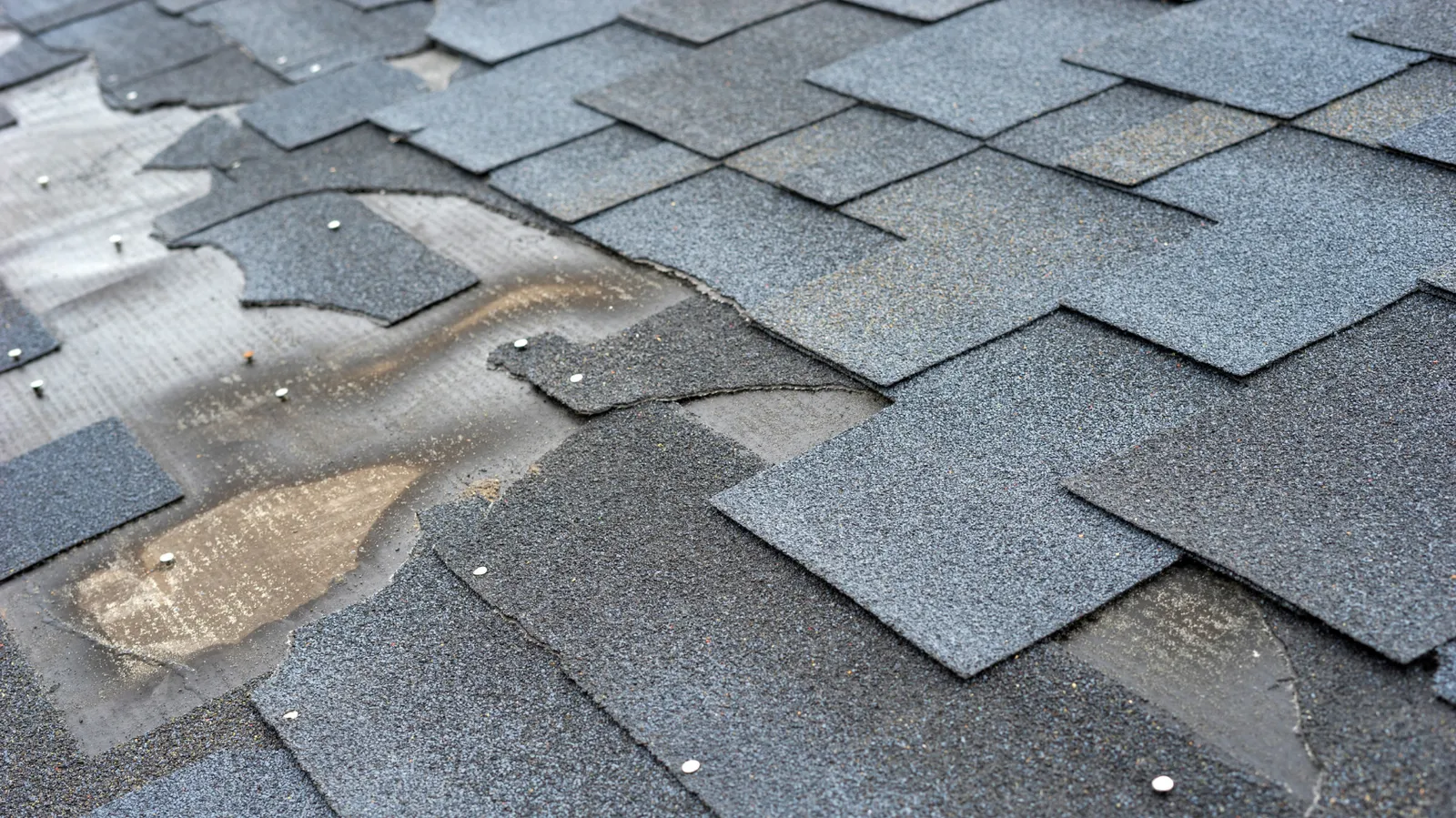
Ask an Allen homeowner when it last hailed and the answers rarely match, which is exactly why the storm record is worth keeping. NOAA's Storm Events database logs every reported hail and wind event by date and size across Collin County, and read in order it tells a clearer story than memory does. Here is what that record shows over Allen the last few years, and what a string of hail seasons means for the roof you are standing under.
The day tennis-ball hail fell on Allen
The standout on the local record is May 19, 2023. That afternoon a storm dropped hail up to 2.50 inches across Allen, tennis-ball size, alongside a run of golf-ball and hen-egg stones in the same few miles. A stone that big does not need any flaw in the roof to do damage; it bruises asphalt shingles on contact, knocking the protective granules loose and baring the mat underneath.
Barely a month earlier, on April 20, 2023, another line put hen-egg hail up to 2.00 inches over Allen while a 3.00 inch baseball-sized stone came down just south in Plano. Two heavy hail days inside five weeks is the kind of sequence that ages a roof years in an afternoon, and it is the reason a lot of Allen roofs quietly started leaking a season or two later. If your roof sat through that spring, a documented storm and hail inspection is how you find out where it stands now.
It is not only hail: the wind on the record
Hail takes the headlines, but the Collin County record logs plenty of wind too. Straight-line gusts of 75 mph were measured in Allen on March 4, 2025, and 64 mph again on May 26, 2025, with the county's peak gust of 81 mph clocked up near Chambersville in May 2024. Wind that strong lifts and creases shingles, tears at ridge caps, and works flashing loose, damage that is easy to miss from the ground because the shingle often lays back down as if nothing happened.
Wind and hail also tend to travel together in a North Texas spring storm, so one cell can bruise the field of a roof and crease the ridge on the same day. Reading the two together is part of why a roofer photographs every plane, not just the slope facing the street.
Why one big year matters more than a quiet one
Zoom out and the pattern is what counts. Across Collin County the last four years the record holds 24 separate hail days and 102 hail reports, 88 of them at an inch or larger, the size that starts to matter for asphalt shingles. That is not a storm every week, but it is a heavy hit every couple of springs, which is the schedule an Allen roof actually has to survive.
A roof does not fail on the average year; it fails on the bad one. The granule loss from a 2023-caliber storm does not always leak that winter, but it shortens the roof's remaining life, so the honest question after a big hail year is not did it leak yet but where does the roof stand now. That answer lives in a dated set of photos and a written note, not in a guess, and having it in hand is what turns a repair into a plan and, when it is time, a planned roof replacement on your schedule rather than the weather's.
What to do with this record on your own roof
Reading the record is one thing; using it is another. Here is the short version of what it means for your roof, in order.
- 1. Note the date closest to when you first noticed a problem, since that is the anchor an insurer or a roofer will ask for.
- 2. Walk the yard first: dented gutters, vent caps, or AC fins are the tells hail leaves before anyone gets on a ladder.
- 3. Get the roof itself documented. A free documented inspection puts dated photos and a plain read on file, whether or not you end up filing anything.
- 4. Decide on your own schedule. A targeted repair or a full replacement, the call stays yours once the roof is actually read.
Not sure whether the last big Allen storm reached your roof? Tell Allen Roofers what you saw, and a local roofer will follow up with a free, documented inspection so you have it in writing.
Contact us Call (972) 737-4865