
Roof Insurance Claims in Allen, TX
A roof claim is mostly plain terms the policy never spells out, run in order from hail to the final check. A local roofer documents the damage and translates each term as it comes.
- No pressure, no closing pitch
- An honest repair-or-replace answer
- One local roofer, start to finish
Call (972) 737-4865
How a roof claim actually works in Allen
A storm claim is not one decision; it is a short run of steps, each carrying ACV, RCV, supplement, recoverable depreciation, that the policy names but never defines.
You open and control the claim with your carrier, because it is your policy. A local roofer documents the damage plane by plane, explains each term in plain English, and can stand with you when the adjuster climbs the ladder, but never files, negotiates, or signs for you. If the damage traces to a specific storm, the storm-damage guide covers the documentation, and a free inspection is where the file begins.
Seven steps from the first look to the last check
The full claim in sequence, each stage in words you can actually use, and the call at every fork staying with you. It traces how a documented roof travels from that first ladder to a finished, fully paid job.
A dated look before anything is filed
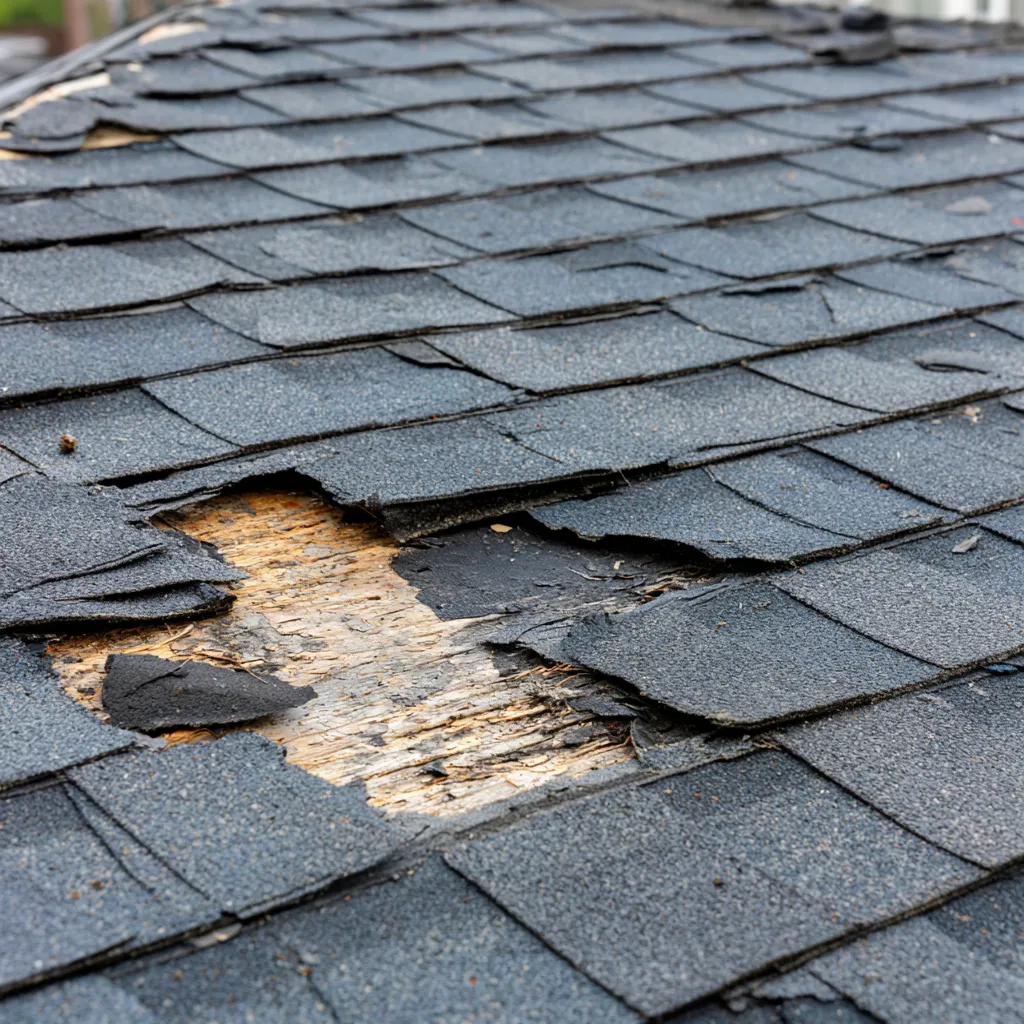
The right first step is climbing up on the roof, not calling the carrier first. A roofer goes plane by plane, flags where hail has bruised the mat or stripped granules and where shingles sit cracked or lifted, and ties that reading to the date the storm hit. No claim exists yet. The one question here is whether the damage even justifies a claim, settled while it is still fresh on the roof.
date of lossPhotographed, measured, written down
All of this happens on the same trip up. Each slope gets a timestamped photo, the roof is measured area by area, and individual hits go down one at a time. Bundled together, those files become the proof of loss an adjuster works from later, standing in for anyone's memory of the roof that afternoon. Bruised shingles look ordinary from ground level, so it is the dated images that carry the case.
proof of lossFiling is yours to do
Here is where a genuine deadline kicks in. Once the documentation is together, you phone your insurer and open the claim yourself, comfortably ahead of whatever notice period the policy allows, so the filing rests on evidence instead of guesswork. The carrier issues a claim number, and everything downstream attaches to it. A roofer deliberately sits this call out, since opening and running the claim belongs to you alone.
claim numberMeeting the adjuster on the roof
Some days or weeks on, your insurer sends out an adjuster to inspect and rule on what the policy will cover. It pays to line up that appointment for the same window your roofer is there: two people on the same slopes, file already open, means the decision leans on recorded damage instead of a squint from the driveway.
adjusterReading the scope against the file
Shortly afterward the scope of loss arrives, the adjuster laying out item by item everything the carrier agreed to cover. Set beside your dated file, it becomes obvious what got counted and what slipped through, from undercounted shingle bundles to code items like drip edge or fresh decking.
scope of lossWhen the estimate comes up short
When the estimate comes up short, the answer is a supplement, a documented request for legitimate items the first pass skipped, backed by photos, measurements, and local code. It is a routine, aboveboard step, not a gimmick, and never an automatic yes. A dated file is exactly what gives a supplement teeth.
supplementThe last check, once the roof is done
Under a replacement-cost policy the insurer pays the depreciated value up front, then holds the recoverable depreciation back until the replacement is actually standing. Once the job wraps and the final invoice is in, that withheld amount arrives as the second payment. Walk away from the work or skip the paperwork, and it is forfeited outright.
recoverable depreciationACV vs. RCV, in plain money terms
Two three-letter terms decide what your insurer pays and when it pays it. Most storm claims come in two installments, not a single lump, and understanding the split keeps the first, smaller check from catching you off guard. The cards below break each one down in dollars. In short: an older roof, or one covered at ACV, settles nearer its used value, whereas an RCV policy funds a full replacement but releases the final slice only once the work is complete. Knowing which your policy carries is a before-the-storm question, not an after.
Pays the roof's depreciated worth
An ACV policy pays what the old roof was worth on the day it was hit, with age and wear subtracted first. The check is smaller, and on most ACV policies there is nothing held back to recover later, so the number you see is the number you keep.
Pays for a new roof, in two checks
An RCV policy pays what a new roof costs today, but in two parts: the depreciated amount lands first, the recoverable depreciation is held back, and that held money is released once the roof is rebuilt and the final invoice is in.
The deductible is your responsibility, full stop, and Texas backs that with actual criminal statute. Under House Bill 2102, a contractor who pays, waives, rebates, or credits your insurance deductible commits a crime, so any roofer offering to swallow it is proposing to break state law to land the job. You should see the real figure named plainly, with the estimate written on top of it, never wrapped around a discount the law will not allow.
The same Allen claim, filed two ways
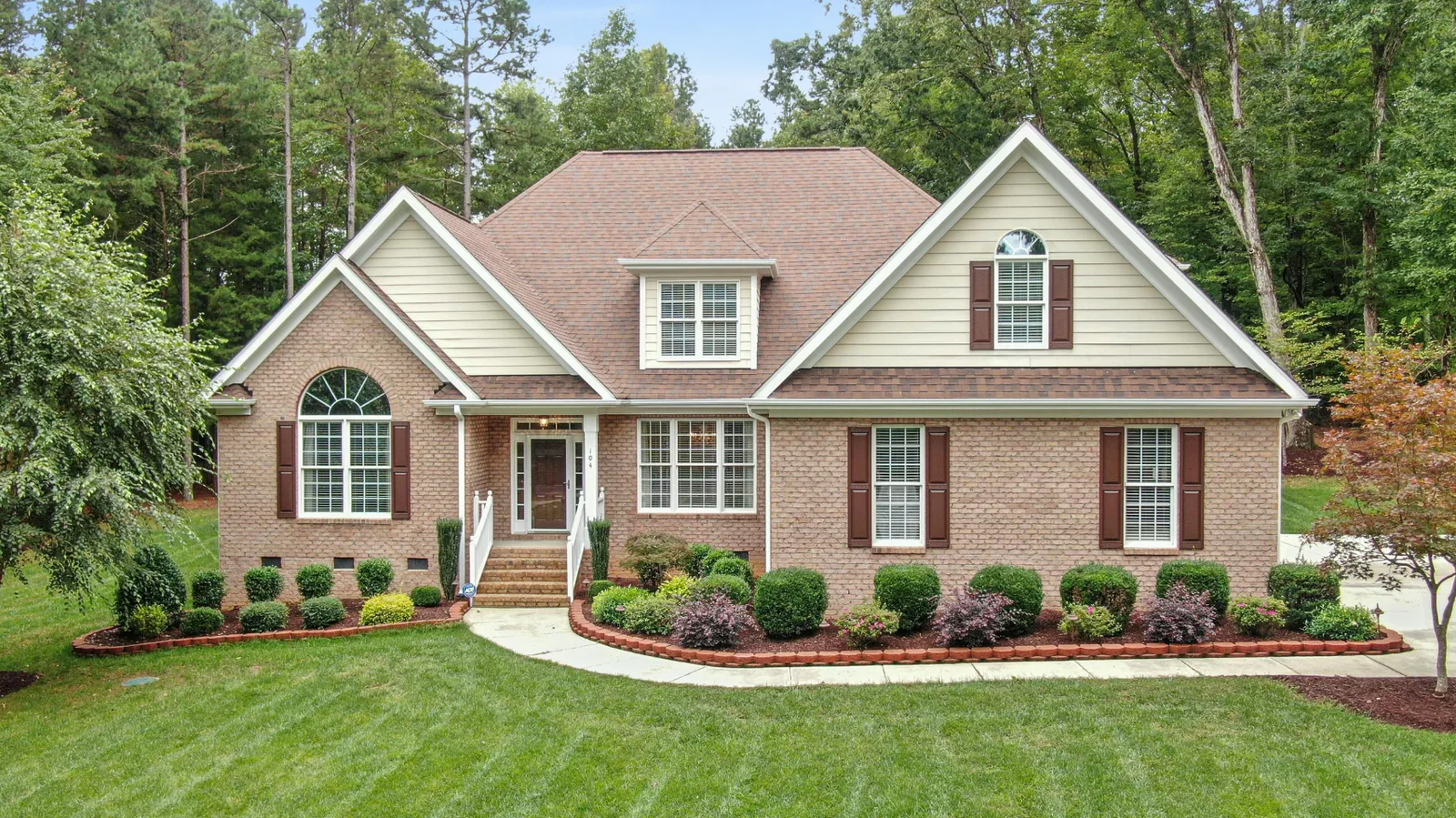
A single Allen roof, one hailstorm, traced along both paths at once, to show plainly what a dated record shifts in your favor and what stays put no matter what.
| Stage | Filing on your own | With a dated file |
|---|---|---|
| What the record shows | Only what the adjuster notices on the day | Every slope timestamped before a ladder even goes up |
| The date of loss | Pieced back together from memory weeks on | Locked to the storm's date at that first visit |
| When the adjuster comes | You are up on the roof on your own | Your roofer alongside them, the file already open |
| The scope | You skim it and trust nothing got left off | Matched item by item to the dated file |
| Items left off | Typically eaten or paid out of pocket | Resubmitted with proof as a supplement |
| Your deductible | Yours either way, as Texas law requires | Yours either way, as Texas law requires |
Either way the deductible is yours to cover, and nothing in a file changes that figure or, under Texas law, is allowed to shrink it. What documentation does change is how much of the actual damage makes it onto the approved scope.
Allen roof insurance claim questions
The questions Allen owners raise most about deadlines, deductibles, and seeing a hail claim funded in full.
Q1What is the difference between ACV and RCV on my Allen policy?
Q2Do I have to accept the insurer's first scope, or can items be added?
Q3Can I pick my own roofer, or must I use one the insurer suggests?
Q4How long do I have to act on a hail claim in Texas?
Q5Can a stronger shingle lower my insurance going forward?
Q6What happens if my Allen claim gets denied?
Document your Allen roof before the claim window narrows
Bring a local roofer in early and the damage gets dated, every policy term spelled out in words you can actually use, and someone standing beside you on the roof the day the adjuster shows.
Through all of it, opening and directing the claim stays entirely yours. There is no cost through Allen Roofers and no nudge toward filing, and if your roof has no real claim in it, you will hear exactly that.