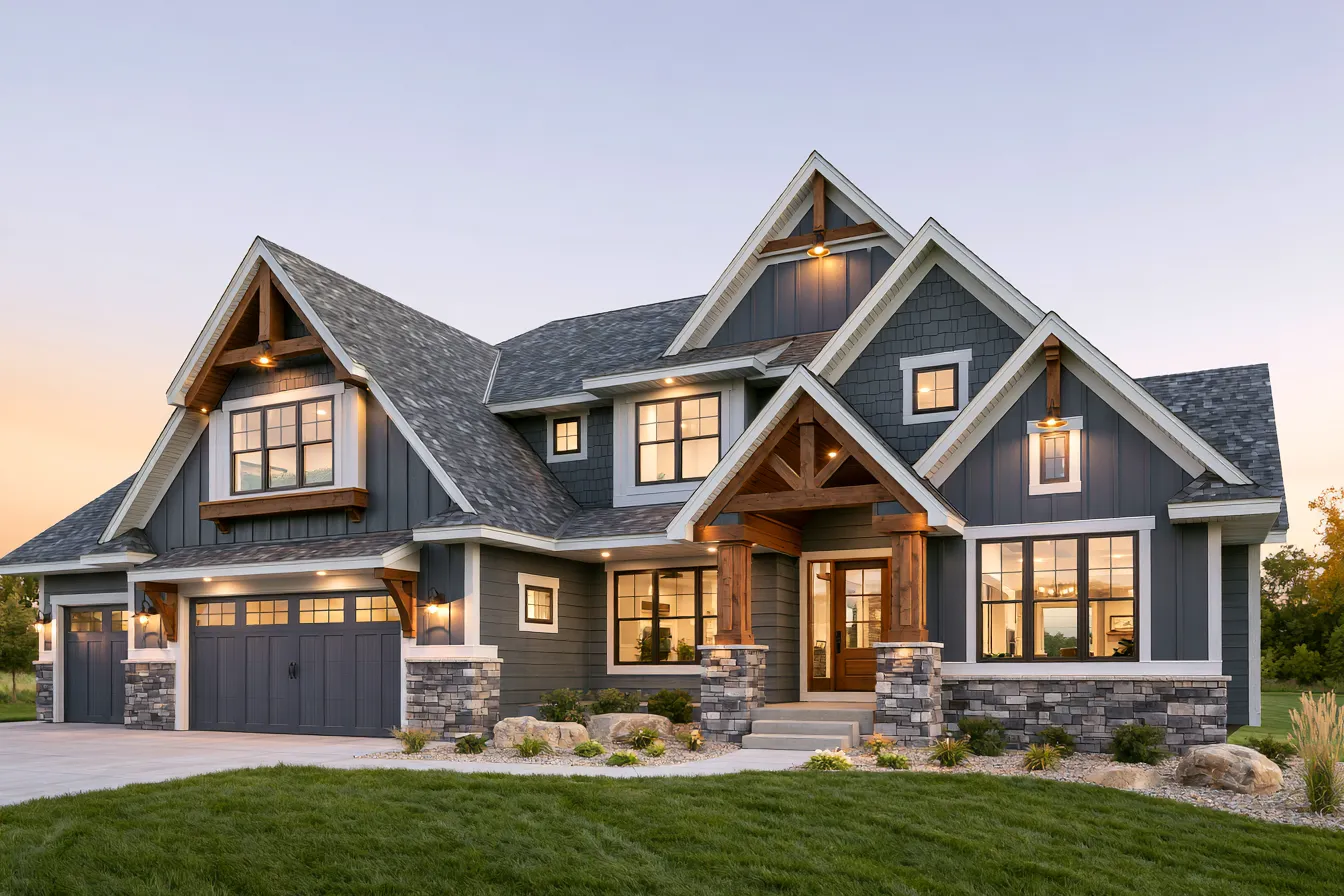
Roof Warranty Guide for Allen, TX
The day an Allen roof is finished, two separate warranties switch on, each covering a different failure at a different stage. This guide sorts which is which, who backs each, and how either quietly lapses.
- No pressure, no closing pitch
- An honest repair-or-replace answer
- One local roofer, start to finish
One covers the shingles, the other covers the work
Every finished Allen roof carries two warranties. The first is the manufacturer's: it stands behind the shingles and components against defects and can read for decades, but only holds if the roof went on to the maker's spec. The second is the workmanship warranty, which answers for how the roof was installed, belongs to whichever roofer did the job, and runs on terms set by the roof, the materials, and the roofer behind it.
A roofer commits the workmanship terms to writing before a single shingle comes off, and an install done off-spec can quietly cancel the material half.
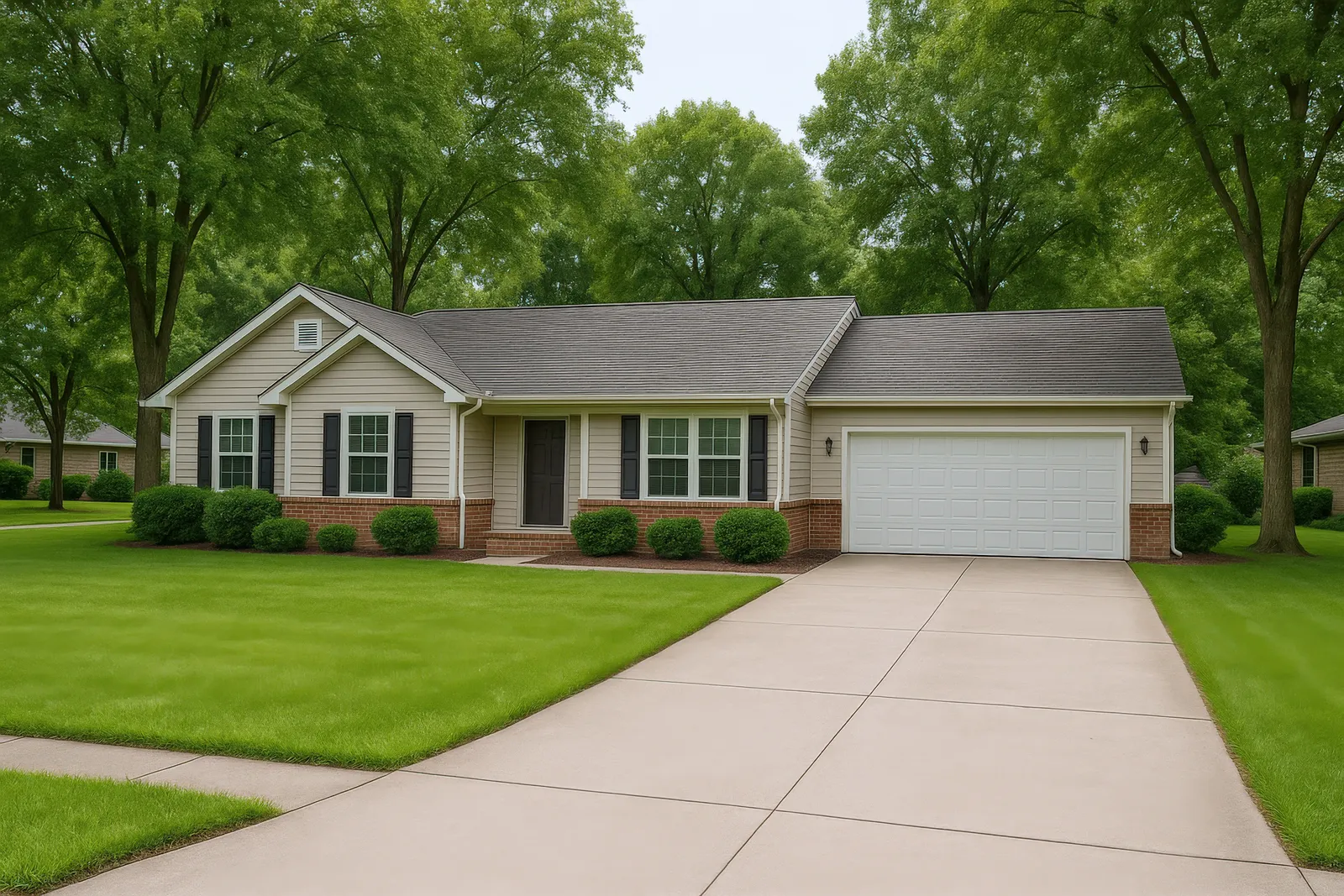
The material side and the install side, row by row
Manufacturer coverage against workmanship coverage, line by line, so it is plain which one answers for what.
| Coverage | Manufacturer warranty | Workmanship warranty |
|---|---|---|
| What it covers | Material and component defects | The quality of the installation |
| Who answers for it | The shingle or system maker | The installing roofer |
| Length of coverage | Commonly decades, on its own terms | Whatever the roofer sets in writing |
| Full-value period | Non-prorated at first, then prorates down | Runs flat for the roofer's stated term |
| What voids it | Off-spec work or swapped-in parts | Skipped permit or ignored damage |
Coverage and length on both sides move with the product you pick and the roofer behind the job; get each in writing before anything comes off the roof.
How Allen roofs quietly lose their coverage
The catches that kill coverage with no warning, worth knowing well before you need to file.
- A roof laid off the manufacturer's written spec, which can sink the material coverage
- Starved attic ventilation baking the shingles from beneath, a frequent shingle-warranty killer
- A third shingle layer over two already up, which North Texas code will not pass
- Skipping the Allen re-roof permit and inspection, leaving a full tear-off off the record
- Years without upkeep, so one ignored fault hands the roofer a reason to deny the claim
Unsure where your coverage sits? A free inspection puts the roof's condition and how it was built on paper, dated, so you are not guessing when a claim comes up.
Warranty questions Allen owners ask
The coverage questions that surface most, answered plainly.
Q1What does 'lifetime' really cover on a shingle?
Q2How long should the workmanship warranty last?
Q3What if the roofer who did my roof goes under?
Q4Does the warranty move to the next owner when I sell?
Q5Can skipping the permit cost me the warranty?
Q6Does a hail replacement reset the warranties?
Both Allen warranties, walked through for free
Two warranties switch on the day an Allen roof is finished, and most owners never see them spelled out. A roofer sets both against your actual roof, explains in plain terms what the manufacturer stands behind and what the workmanship covers, and hands you the workmanship half in writing before any job is agreed. Allen Roofers keeps it all on file, nothing owed.