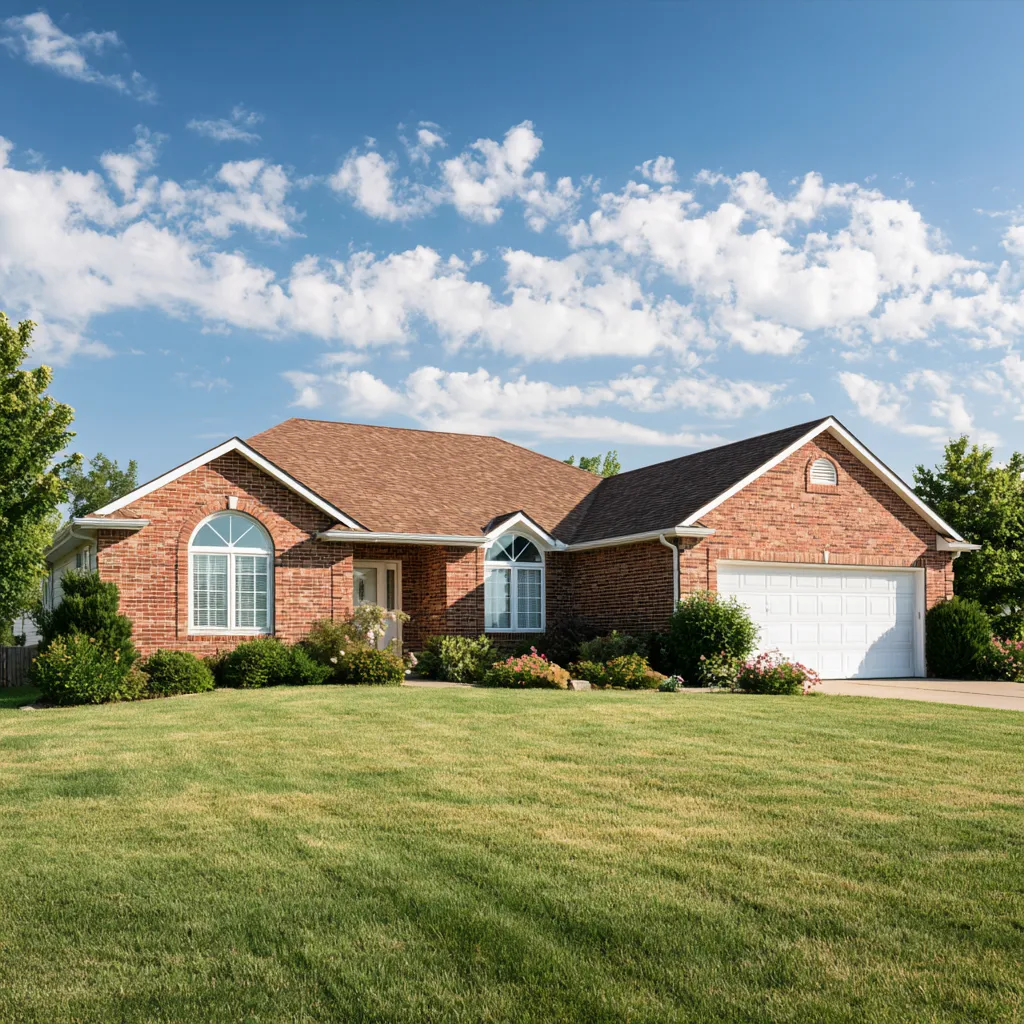
Hail Damage Roof Repair in Allen, TX
A hail repair only works if it starts with an honest read. A local roofer reads every slope for storm bruising and dates the damage, so the fix follows the file, not a guess.
- No pressure, no closing pitch
- An honest repair-or-replace answer
- One local roofer, start to finish
Call (972) 737-4865
Why a hail repair in Allen starts on the roof
A hailstone does its worst without leaving much to see: it knocks granules off the shingle and bruises the mat.
Allen sits in North Texas hail country, and the county record has come tennis-ball-sized on Allen. So a repair opens on foot: a local roofer walks each slope, flags every bruise and lifted tab, and drops it into a dated file the hail claim can lean on. The fix matches the shingle and mends only storm damage; widespread hits, or an aged roof, may point to replacement; what counts as storm damage has its own page.
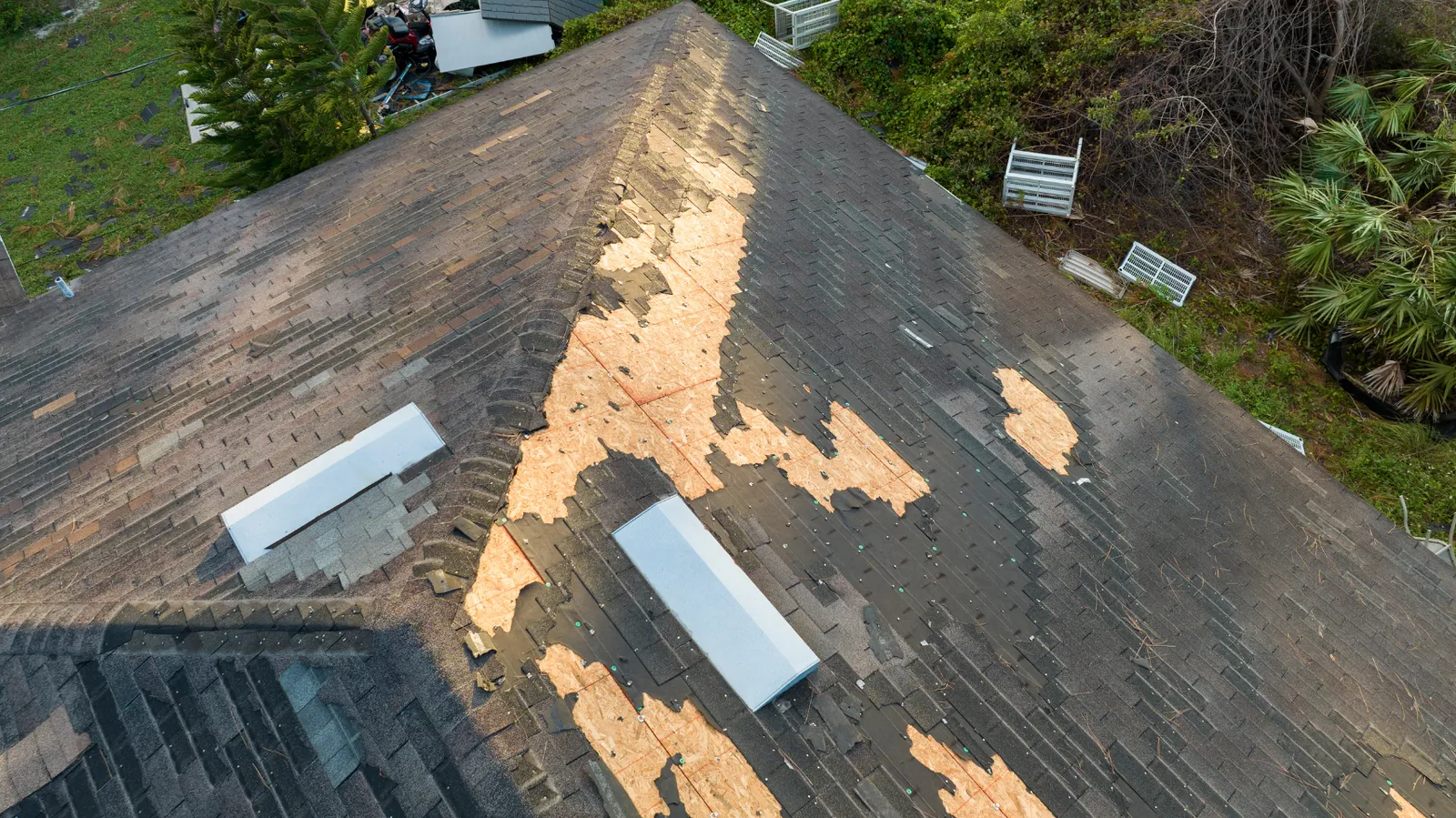
What a documented hail read captures
What a local roofer logs on foot, slope by slope, once hail or a high-wind day has moved across Allen.
- 01Granule loss and mat bruising
- Round soft spots where a stone stripped the granules and bared the black mat beneath, the quiet injury that turns into a leak later, marked plane by plane.
- 02Cracked seals and lifted tabs
- Where a hard gust snapped the sealant strip or peeled a run of tabs along a ridge, flagged even on a tab that still lies flat when you look up from the ground.
- 03Bruised soft metals
- Dented gutters, vent hoods, and condenser fins that confirm hail actually struck and help anchor the damage to a specific, provable day.
- 04A dated, slope-by-slope file
- Every finding photographed and time-stamped, then squared against the county storm log, so the proof is ready long before an adjuster reaches for a ladder.
That read is what a fair repair, and any claim behind it, stands on. Most hail damage never shows from the driveway, so a free inspection is worth the hour after a hard hail day.
How a documented hail repair works, in order
Read every slope, date each finding to the real storm, hand you the file, then fix what the storm actually damaged.
Walk every slope on foot
Slope by slope, a local roofer tracks the hail bruising and wind-lifted runs and photographs each one, since the damage that decides a repair almost never shows from the driveway.
Date each finding to the storm
Every photo is time-stamped and matched to the county's logged hail, because a date of loss that lines up with a recorded storm keeps the repair-or-replace call, and any claim behind it, on steady ground.
Hand you the file and the plain call
You get the dated record and a clear read on whether the roof needs a targeted repair or a full replacement, laid out up front, with a local roofer able to be on the roof beside you the day the adjuster climbs the ladder.
Repair to the storm, not past it
The fix matches the shingle and mends what the storm damaged, leaving the sound roof alone, so you pay for the real repair and nothing added onto it.
Signs a storm hit your Allen roof
The tells worth a look once a hail day has passed.
- Bruised or shiny spots scattered across shingles that look fine from the ground
- Shingle granules gathering in the gutters and washing out below the downspouts
- Dented gutter aprons, vent caps, and dinged fins on the AC condenser
- Chimney or valley flashing pried loose or bent up by the stones
- A plumbing vent boot cracked or split hard by a direct hit
Since almost none of this reads from the driveway, a look is worth the hour after a major storm, even on a roof that seems perfectly sound. If the shingles took a hard hit, it may be worth asking about impact-rated options built to shrug off the next one.
What Allen storms do to a roof over time
Collin County sits in hail country, and the record bears it out season after season. Allen's housing skews newer, much of it 2000s, so owners assume a young roof shrugs it off, though a mat bruise counts the same on a ten-year-old shingle, which is why impact shingles can be worth it, and can trim your insurance.
- 01The hail is already on the county record
- Collin County logs hard hail days, and Allen sits right in the path, so the exposure is documented, not hypothetical.
- 02Newer builds, real hail all the same
- Much of Allen went up in the 2000s, but a young roof still bruises where a stone lands.
- 03It bruises quietly, then leaks
- The granule loss and mat bruising that decide a repair rarely show from the ground, so a dated read beats a curbside glance.
Allen hail repair questions
The questions homeowners ask after a hail day, before booking a repair.
Q1Can hail damage be repaired, or does it always mean a new roof?
Q2Will a hail repair match my existing shingles?
Q3Should I get the roof looked at even if I don't want to file a claim?
Q4Can the roofer meet my insurance adjuster on the roof?
Q5How fast should a hail repair happen after a storm?
Q6Is a roofer who offers to cover my deductible a good deal?
Get your Allen hail damage read before you commit to anything
One dated inspection tells you what the storm actually did, whether a repair or a replacement is the honest call, and what a fair fix costs, before a dollar is spent. A local roofer documents it, explains it, and leaves the decision with you. No push toward a claim or a new roof.