
Roof Leak Repair in Allen, TX
A roof leak is a clock: every Allen rain drives more water into the decking and drywall. A local roofer pins the exact spot it enters and stops it before a framing repair.
- No pressure, no closing pitch
- An honest repair-or-replace answer
- One local roofer, start to finish
Call (972) 737-4865
Pinning the entry point is most of the fix
A leak rarely drips straight down from where it started. So the first move is not to seal but to find where water gets in, usually one small part, not the open field: flashing off a wall or chimney, a sun-split boot, or a worn valley.
Your roofer proves that source with a dated photo before anything is sealed. A leak left to run works into the decking and drywall, so caught early most leaks are still a same-week roof repair; a finished roof you hear about straight, not a patch that postpones a full replacement.
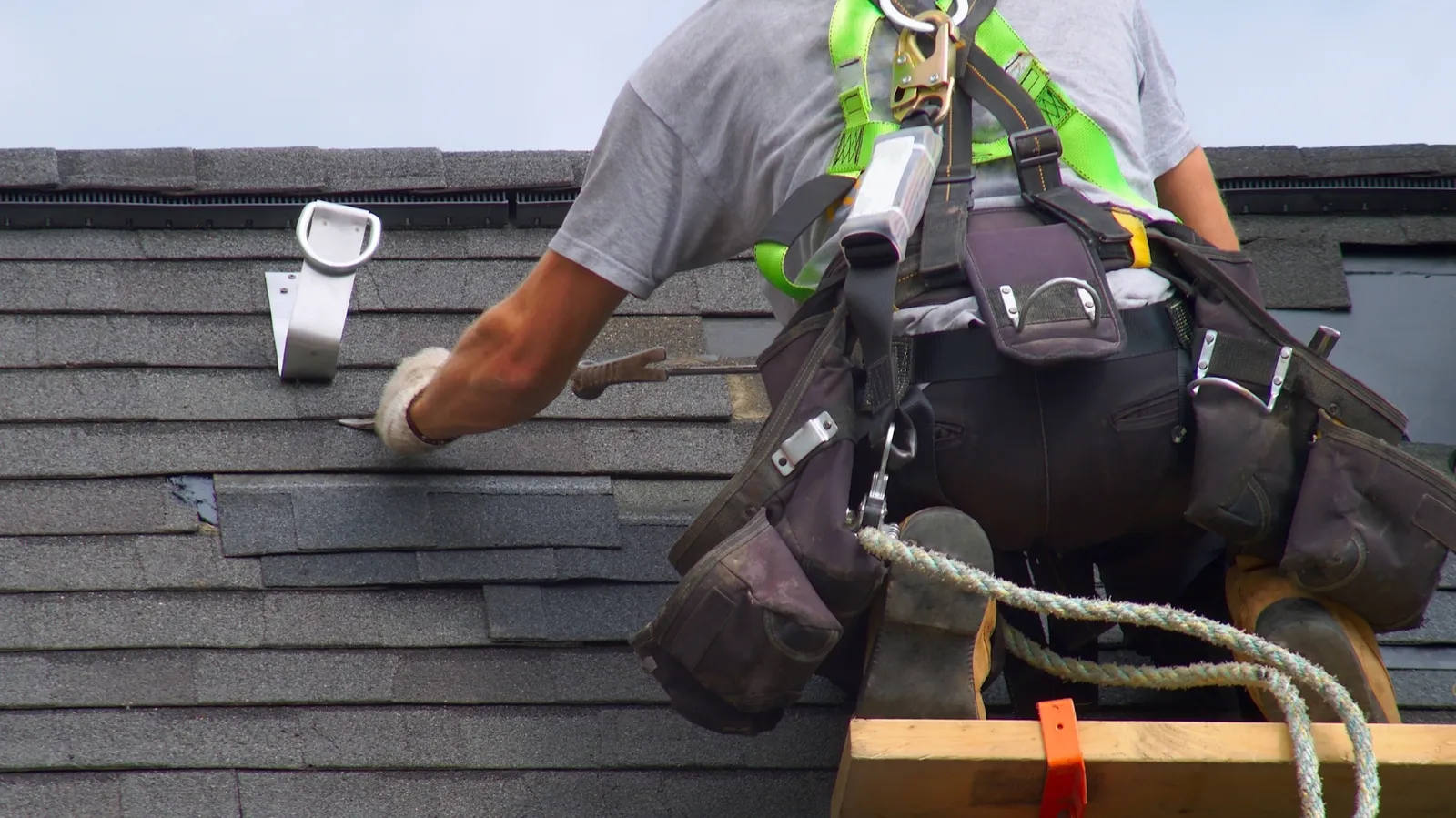
Where a leak hunt looks first
The small parts that let water in, in the order they get ruled out.
- 01Flashing at walls and chimneys
- The bent metal that seals the roof against a wall or chimney is the single most common place a leak begins, so it is the first detail a roofer reads once water shows inside.
- 02The boot on a vent pipe
- The rubber collar around a plumbing vent bakes brittle in the Allen sun and cracks, often while the shingles around it still have years left, which is exactly why it slips past a look from the ground.
- 03Valleys where two slopes meet
- Where two slopes meet, a valley carries the combined runoff of both, so any wear there or a sloppy original build gives water an easy route beneath the shingles and onto the deck.
- 04Nails that have backed out
- Heat and age work fasteners loose until a nail head lifts and tents the shingle over it, opening a pinhole path to the decking that is easy to miss from the driveway.
Cannot spot where it is getting in? A documented inspection locates the opening and hands you the dated photos, so the repair is decided on what is actually up there, not a hunch.
How a leak gets stopped, in sequence
Locate the entry, mend the break, then test it, and each step goes on your file.
Locate the true entry
A roofer works the likely entry points in order, reading each until the real opening gives itself away, whether that is a flashing joint, a boot, a valley, or a popped nail, then photographs it so you can see the cause instead of taking it on faith.
Mend the break, not the stain
The actual opening gets repaired and the area around it checked, with the price agreed in writing before a tool comes out, so the work fixes the break instead of the mark it left on the ceiling below.
Test it against water
The repair is run under water so the stain stays gone through the next hard Allen storm, and with a roofer already up top, you get a clear read on how the rest of the roof is holding while they are there.
Early signs of a roof leak in Allen
The tells that show up first, often before a drop reaches the floor.
- A brown-ringed stain on a ceiling or wall that creeps a little wider with each storm
- A damp, musty corner of the attic where the insulation stays spongy after rain
- A pinhole of daylight showing through the attic boards up in the peak
- A plumbing pipe boot visible from the yard, cracked, split, or gone chalky
- Chimney or valley flashing lifted, gapped, or pulling away from the deck
Caught at this stage it is still a repair. Getting a look at any one of these before the water reaches the deck and the drywall is what keeps it that way. Already got active water coming in? Photos first, then a tarp over anything open: your carrier expects temporary protection and pays it back.
What stopping a leak usually costs
Swapping a cracked pipe boot is quick and low-cost. Reworking shot flashing or rebuilding a valley takes more time and lands higher. If the deck along the leak's path has gone soft, patching that section adds a little once it is opened, which is the honest reason to catch a leak while it is small.
When a look turns up a roof that is worn through rather than simply leaking, the cost guide carries those larger replacement ranges instead.
See clear cost ranges- A split pipe boot is a quick, low-cost fix
- Shot flashing or a rebuilt valley lands higher
- Soft decking found along the water's path adds more
- The price is set once the leak is found, not before it
Why Allen roofs leak where they do
A leak on an Allen home rarely means the whole roof has failed. Usually water gets in through one worn detail, a boot, flashing, a valley, while the field above still holds. Those small parts wear out first, and since the housing runs newer here, one exposed part usually gives while the shingles look fresh.
- 01One worn part, not the whole roof
- On a newer Allen home the boots and flashing give out before the field, so a leak is usually one failed detail.
- 02Sun, hail, and spring rain
- Texas sun bakes rubber collars brittle while Collin County hail tests every seam.
- 03A trace beats a tear-off
- A leak that traces to one spot on a sound roof is a repair, not a replacement, and a roofer says so plainly.
Not sure this is one stray leak or a roof near the end? A documented roof repair chases the cause and gives you a clear repair-or-replace answer.
Common roof leak questions
What Allen homeowners ask when a leak first shows up.
Q1There is a stain on my ceiling but no drip yet. Do I wait or act now?
Q2Can a leak really be fixed without replacing the whole roof?
Q3The shingles look brand new. How is water getting through?
Q4Could a leak that started after a hailstorm be an insurance claim?
Q5Why do pipe boots crack so often around here?
Q6Do I need to be home for a leak repair?
Stop your Allen roof leak at the source
Water in the ceiling only gets worse with the next rain. Describe what the roof is doing and a local roofer finds where the water truly enters, walks you through the photos, and writes down one clear figure, repair or replace. No rush to sign.