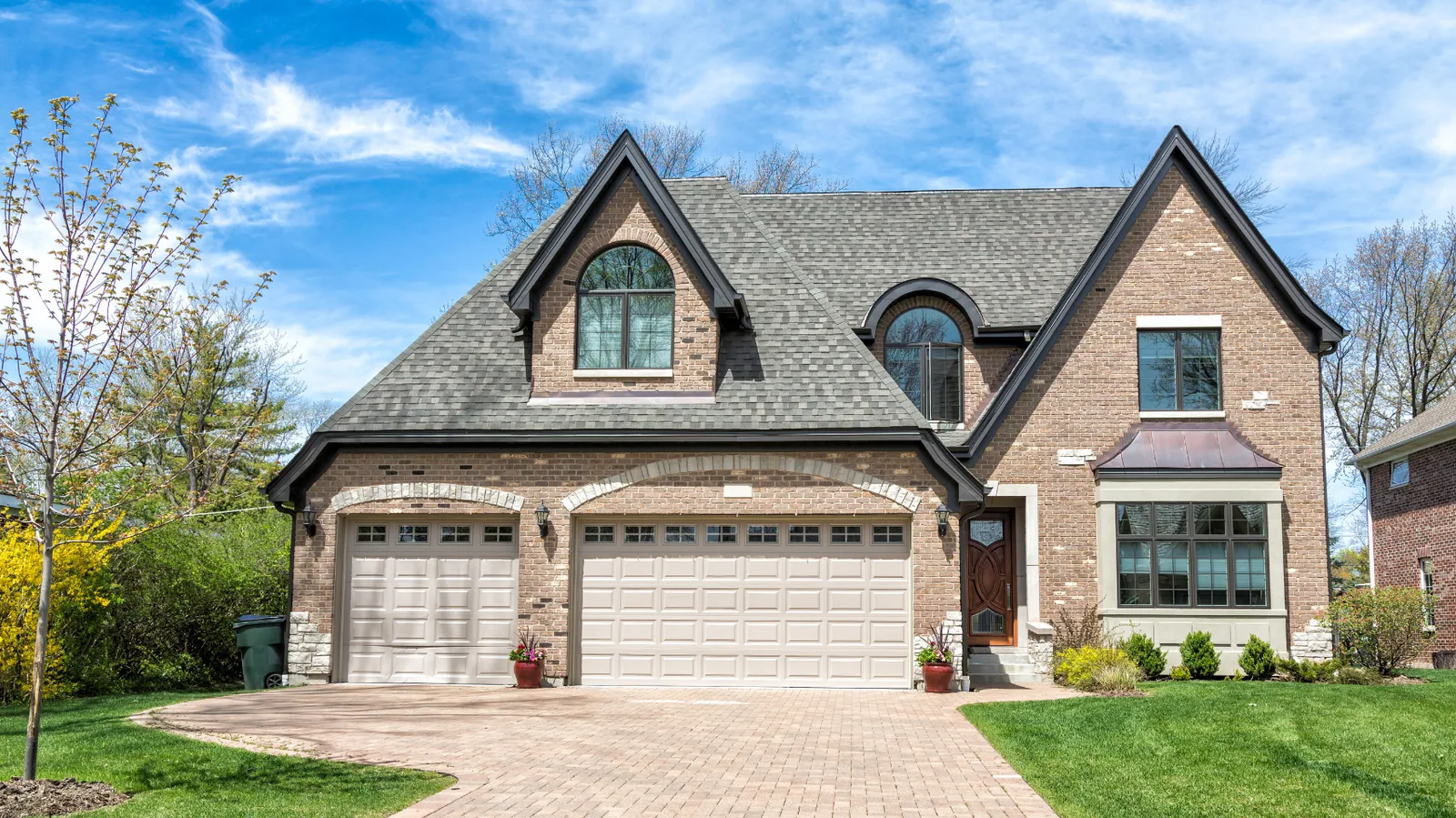
Metal Roofing in Allen, TX
Spec a metal roof once and you may never re-roof this house again. A roofer settles the profile and gauge that fit the home and writes a single figure before a panel is ordered.
- No pressure, no closing pitch
- An honest repair-or-replace answer
- One local roofer, start to finish
Call (972) 737-4865
With metal, the whole decision sits at the fastener
The whole metal decision hides at the fastener. Standing-seam tucks its fasteners beneath raised seams, so nothing sits out to loosen and drip, and forty to seventy years on one roof is ordinary.
Where the two agree is hail, which matters in Allen: a stone dents steel instead of holing it, so the season that retires shingle leaves metal shedding water. You trade money for it, two to three times a shingle roof. A roofer settles the profile, gauge, and finish coat on paper and sets metal honestly beside shingle; the materials guide lines up the options.
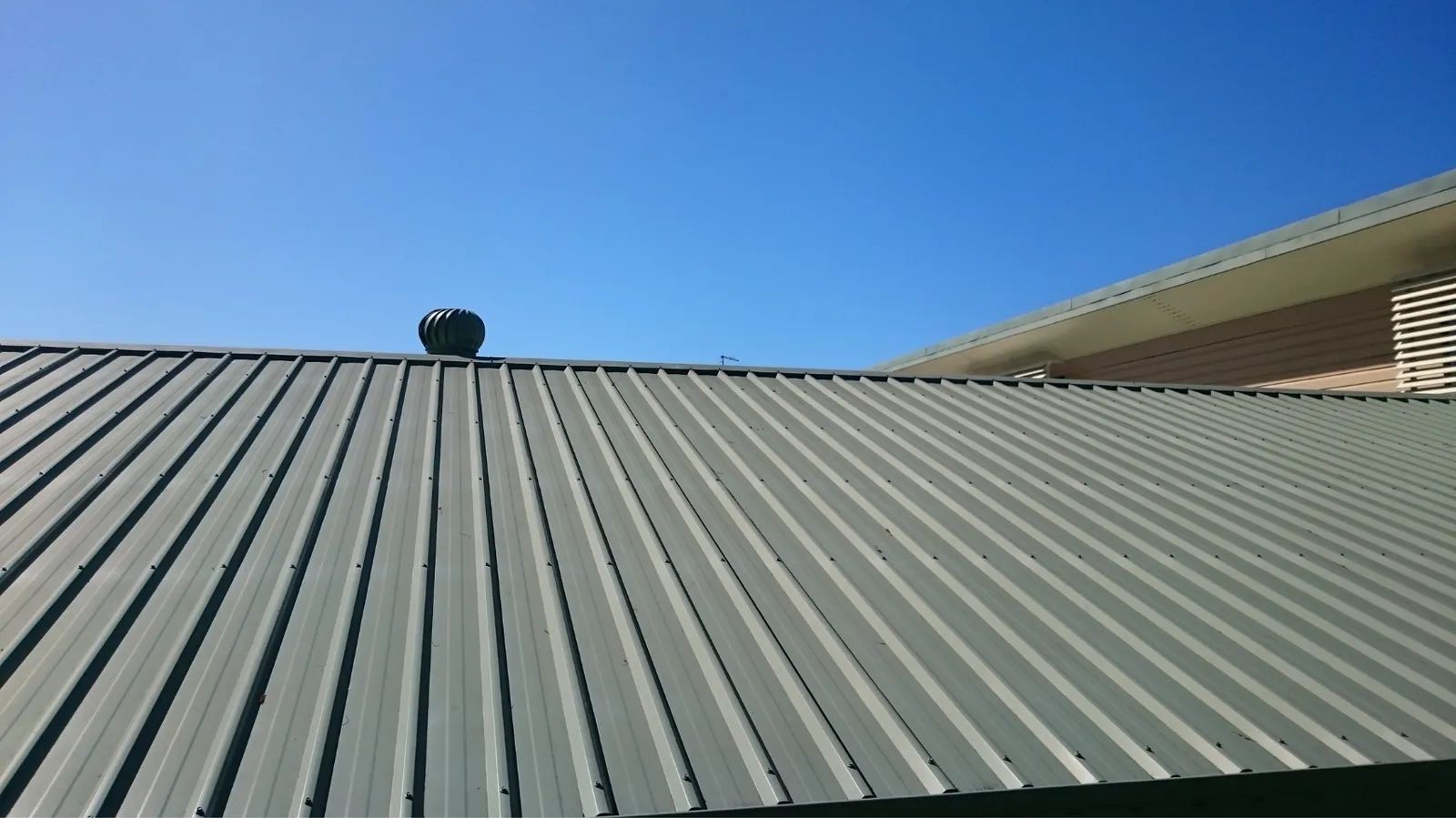
The spec, one line at a time
Each layer a roofer settles and writes down, beginning at the decking.
- 01Panel type, the first line on the spec
- Standing-seam buries its fasteners under the raised ribs for the longest watertight life on the market; screw-down leaves them exposed and wanting a re-gasket in a decade or so. A roofer says outright which belongs on your home.
- 02A heavier gauge and a baked-on coat, named
- A heavier gauge takes a hailstone and springs back, and a baked-on finish keeps its color for decades, so neither should be left vague. Thin steel under a cut-rate coating is where a lowball metal bid quietly cheats.
- 03A dry-in course over decking that checks out
- High-temp underlayment rolls over decking checked for soft spots, the hidden course that hushes the rain and cushions the seams. Any spongy board is pulled and replaced before a panel goes down.
- 04Flashing worked to the panel profile
- Every wall, chimney, and vent is flashed to match the panel run, the one detail a hurried metal crew is first to fake.
Torn between going metal and re-shingling? A free documented inspection reads your actual roofline and sets the two side by side before real money is on the line.
Install day, stage by stage
Spec first, decking and dry-in next, then seam and flash, each stage on file.
The tape comes first
First comes the tape and the pitch gauge: a roofer sizes the roof, reads its slope, and pins down profile, gauge, and coating, handing back one firm figure before a panel is on order.
Underlayment down, panels up the slope
With the decking confirmed sound, the crew lays the high-temp underlayment, then runs the panels up each slope and locks the seams so no fastener shows and no water gets behind them.
Sealed, capped, and photographed
Each opening is flashed tight to the profile, the ridge and edges are trimmed and capped, and the finished roof is shot for your file so the manufacturer coverage has a record standing behind it.
Where standing-seam earns its price in Allen
A handful of cases where the metal premium pays for itself here.
- You mean to stay in the home long enough that a forty-year roof pays for itself
- You are done buying a fresh shingle roof every couple of decades as Allen's hail rolls through
- Your house is a newer custom build around Montgomery Farm or Star Creek, where clean vertical seams fit the lines
- You want a roof that takes a hailstorm as a dent at worst and never a leak
- You are building new and would rather spec the roof one time, at the deck, and be done
A free inspection is where a roofer tells you plainly whether your roofline and your timeline point to metal, or whether an impact-rated Class 4 shingle is the wiser spend.
What a metal roof costs to buy and keep
Start with the sticker: a standing-seam roof usually lands between about $900 and $1,600 a square with tear-off in, so a common Allen roof of roughly 22 to 24 squares works out near $19,700 to $35,300. Treat those as ballpark, not a bid; the real figure gets set on paper after a roofer measures.
The number makes sense on the long horizon: one metal roof does the work of several shingle roofs, which pushes its true yearly cost about as low as any roof goes. The cost guide breaks down honest Allen-area ranges by material.
See clear cost ranges- Costs two to three times a shingle roof to install
- Lands near the lowest cost per year, one roof doing the work of several
- Gauge, profile, and coating swing the price more than anything else
- Skilled seaming is no place to shop cheap; a bad install throws the whole spend away
Steel in a hail town
In a hail town like Allen, the first thing you ask is how a roof takes a hit, and steel answers well: a stone that leaves a shingle bruised only dimples a panel, which drains on. If yours is due for a full replacement, going metal can be the last roof the house needs.
- 01Hail lands as a dimple
- The same stone that pocks a shingle only dimples steel, so it keeps draining, which makes impact-rated metal a serious pick here.
- 02A reflective coat and the July bill
- A baked-on reflective finish turns back part of the sun and eases cooling load, one reason Allen builds weigh metal.
- 03No, it is not a barn roof
- Over solid decking and full underlayment, a metal roof sounds about like shingle inside; the barn-roof racket comes from panels on bare purlins.
Still torn between metal and a fresh shingle roof? A roofer sets the two on your own roofline so the trade-off reads plainly, with no lean either way.
Common questions before going metal
The things Allen owners weigh before choosing steel.
Q1Does metal actually pay off on an Allen home?
Q2Will Allen hail dent the panels?
Q3What is the price gap versus shingle here?
Q4Do metal roofs roar in a downpour?
Q5For a home, which panel: standing-seam or screw-down?
Q6Can impact-rated metal trim my premium?
Not sure metal is worth it on your roof?
Metal pays off on some roofs and some timelines, and not others. A roofer reads yours, lays the profile and gauge choices next to a comparable shingle job, and leaves the figures with you. Nothing owed for the visit, and no lean either way.